
The Mistake: Shopping for a Door Like You're Picking a Throw Pillow
Here's how the argument usually starts. One of you pulls up a manufacturer's website, starts clicking through colors and window patterns, and says "this one" like you're picking paint swatches. It's tempting because it's the fun part — instant visual comparisons, carriage-house style versus modern flush panels, black versus a wood-look finish. It feels like a decision you can make in twenty minutes.
But the door you fall in love with on a screen is shown on a generic house, lit perfectly, at a size that may have nothing to do with your actual garage opening or your home's proportions. The style isn't the thing that makes or breaks curb appeal. Fit and condition are. A beautiful door that's too tall, too wide, or mismatched to your roofline and trim can look worse than a plain door that's sized and maintained correctly.
What Actually Changes How Your House Looks
If you want to settle the argument with facts instead of catalog photos, look at these three things in order:
- Proportion to the facade. On most houses, the garage door is one of the largest single visual elements on the front of the home — often close to a third of what people see from the street. Panel style and window placement should echo the house's existing lines (horizontal panels on a ranch, more vertical detail on a two-story), not fight them.
- Condition, not just color. A faded, sun-bleached door, or one with dents along the bottom panel, pulls the eye more than an outdated style ever will. In this climate, humidity and afternoon downpours speed up fading and swelling in wood and composite doors, and salt air closer to the coast accelerates rust on hinges, tracks, and hardware even on steel doors. A door that looked great five years ago can look tired fast if it hasn't been maintained.
- Alignment and movement. A door that sits crooked in the opening, sags on one side, or visibly struggles when it opens tells a buyer or a neighbor something is wrong before they even register the style. This is a function problem showing up as a cosmetic one.
What Resale Value Realistically Looks Like
National remodeling surveys consistently rank garage door replacement near the top of exterior projects for return on investment — it tends to outperform a lot of bigger, flashier renovations. That part isn't hype. But the exact payback percentage shifts year to year and market to market, and it's easy to misread the headline number as a guarantee.
What that data is really capturing is buyer psychology: a garage door that's new, properly sized, and in good working order reads as "this house has been taken care of." A door that's rusted, dented, or struggling to open reads the opposite way, and it's one of the first things a buyer sees from the curb before they've set foot inside. You don't need the most expensive door on the lot to get that effect. You need one that fits, operates smoothly, and isn't showing its age.
Where spending more does make sense is function that a buyer or inspector will actually notice or test: insulation for a garage that connects to living space or gets used as a workshop, quieter opener systems, and in this part of Florida, a door rated for the wind loads required along the Gulf Coast. A coastal-rated door isn't just a storm-season box to check — buyers here increasingly ask about it, and it can be a point in your favor during an inspection or an insurance conversation.
The Honest Middle Ground
If one of you wants to spend big on a premium door and the other wants to patch along with what's there, the realistic answer sits in the middle:
- A door that's rusted, visibly sagging, or missing wind-load certification is actively working against your home's value — that's worth fixing regardless of style preferences.
- A door that's merely outdated in style but structurally sound and well maintained is a lower-priority upgrade. New paint, new hardware, or a tune-up can buy you real curb appeal without a full replacement.
- Spending extra for insulation, quiet operation, or coastal-rated hardware pays off in daily comfort and buyer confidence, even if it's not reflected dollar-for-dollar in a resale number.
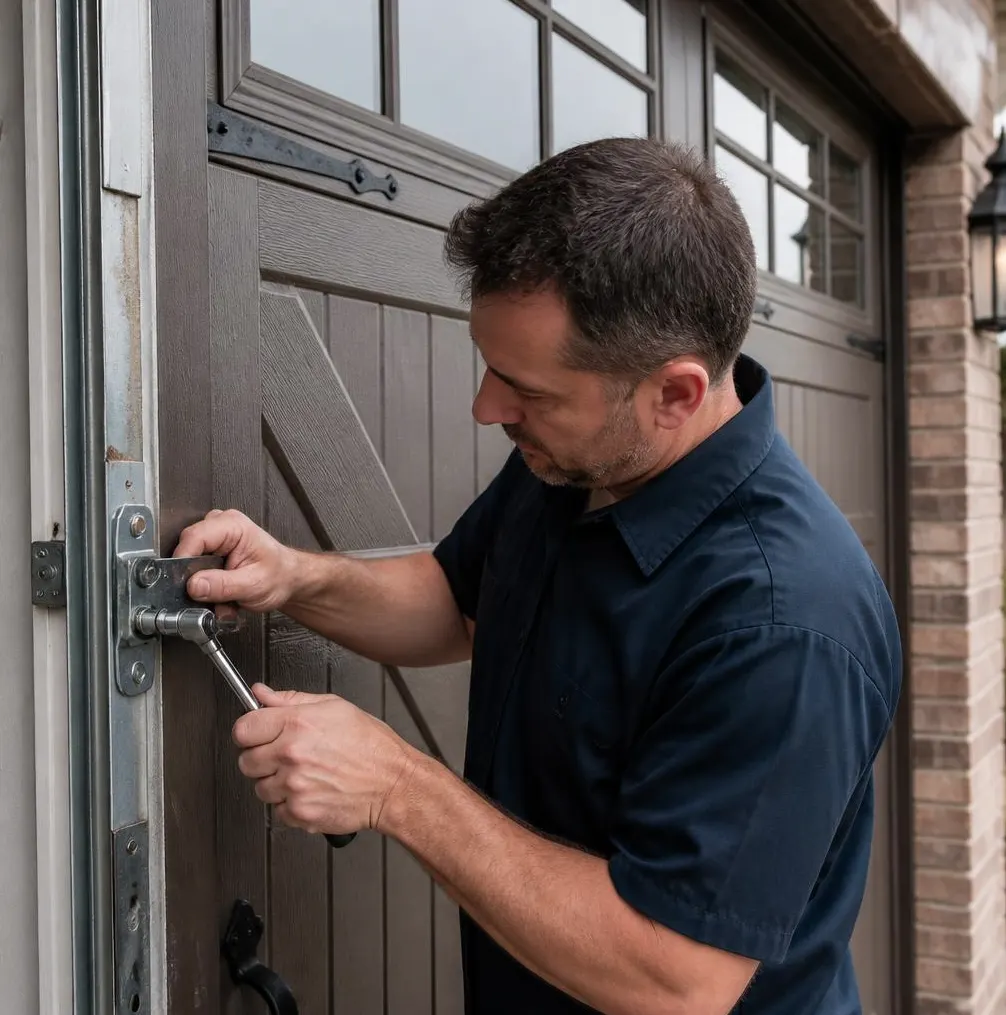
Maintenance is the cheapest value protector in this whole conversation. Springs that are properly balanced, tracks that are clean and aligned, and hardware that's been checked for rust before it spreads all keep a door looking and operating the way it did when it was installed — which is exactly what preserves the value you already paid for.
When to Call Crestview Garage Door
If you're trying to decide whether to replace or just refresh, that's worth a real look rather than a guess. Crestview Garage Door can walk your driveway with you, point out what's cosmetic versus what's structural, and talk through Garage Door Installation options that actually fit your home's proportions and meet wind-load requirements for this area. If your current door is sound but showing early rust, swelling, or misalignment from our humidity and storm season, a Garage Door Maintenance & Tune-Up is often the faster, cheaper fix — tightening hardware, rebalancing springs, and catching rust before it eats into the panel.
If you're in Crestview, Fort Walton Beach, Niceville, Destin, Baker, Holt, Valparaiso, or Mary Esther and you want a straight answer about what your garage door is actually doing for your home, call Crestview Garage Door. We'll tell you what's worth fixing and what can wait.